


 1,699,251
 152,077


1 hour ago
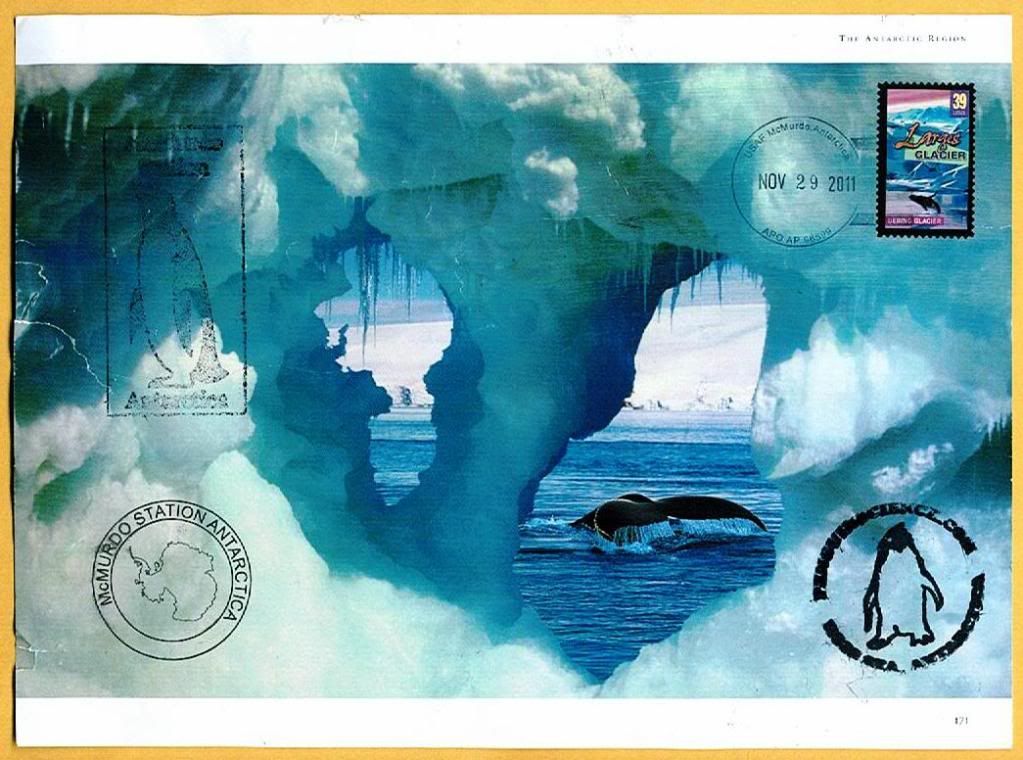 |
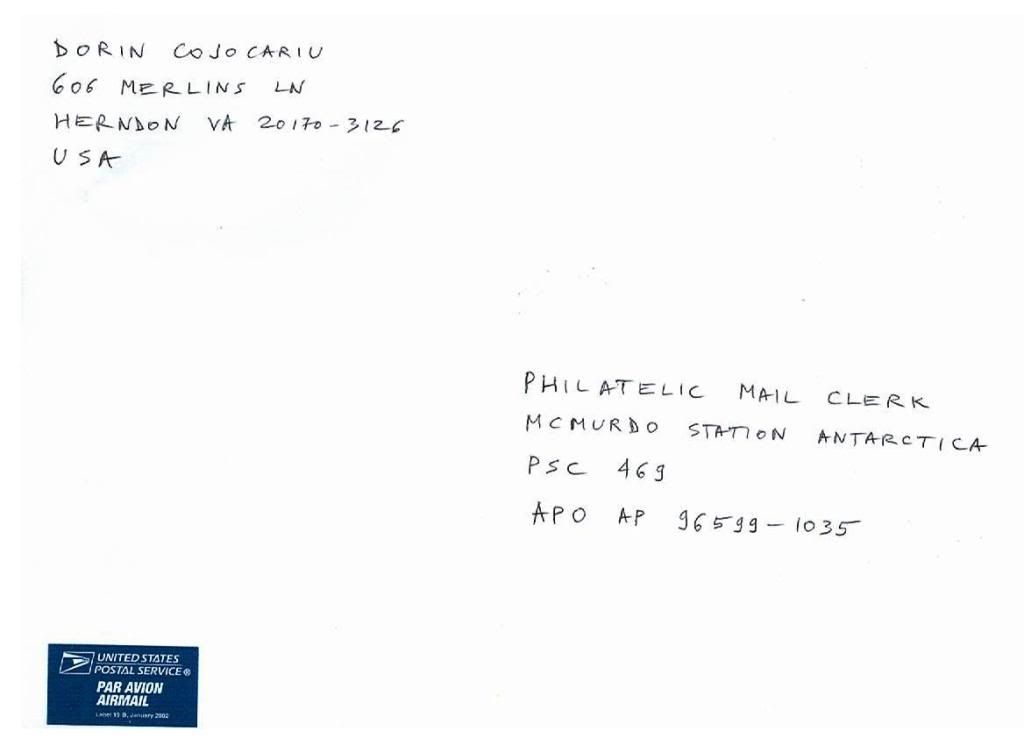
| !!! My first item sent from ANTARCTICA (USAF McMURDO BASE) specifically to me: a 3-in-1 (front and back) custom MAXICARD that I created by POSTCARDIZING a sheet (2 pages) taken from a book!!! :) This is "the front view"...because I say so. :) It arrived with battle scars: a few tears on the left - but hey!...it came all the way from ANTARCTICA, my 7th continent. |
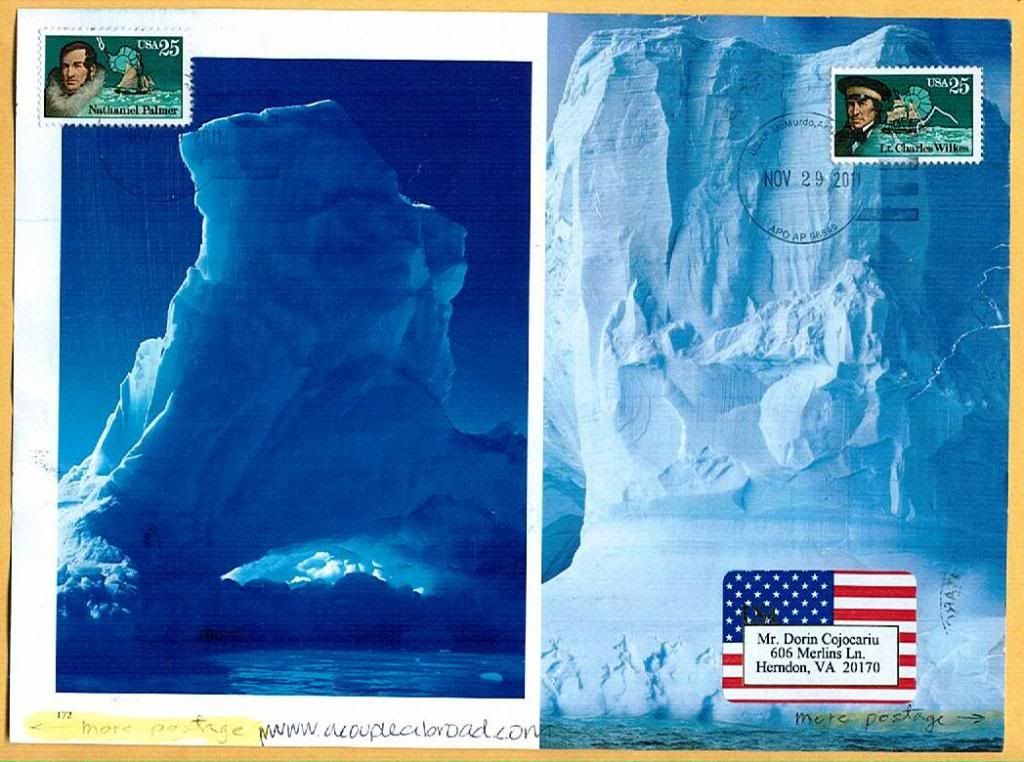 |
| !!! My first item sent from ANTARCTICA (USAF McMURDO BASE) specifically to me: a 3-in-1 (front and back) custom MAXICARD that I created by POSTCARDIZING a sheet (2 pages) taken from a book!!! :)This is "the back view", where I put my address. So, I have created here 2 more MAXICARDS by strategically placing those two stamps. |

 | The neutrality of this article is disputed. Please see the discussion on the talk page. Please do not remove this message until the dispute is resolved. (July 2010) |
| Kim Jong-il 김정일 金正日 | |
|---|---|
 | |
| Supreme Leader of North Korea | |
| In office 8 July 1994 – 17 December 2011[1] | |
| President | Kim Yong-nam |
| Premier | Hong Song-nam Pak Pong-ju Kim Yong-il Choe Yong-rim |
| Preceded by | Kim Il-sung |
| Succeeded by | TBD |
| Chairman of the National Defence Commission of North Korea | |
| In office 9 April 1993 – 17 December 2011 | |
| Deputy | Jo Myong-rok |
| Preceded by | Position established |
| Succeeded by | TBD |
| Supreme Commander of the Korean People's Army | |
| In office 24 December 1991 – 17 December 2011 | |
| Preceded by | Kim Il-sung |
| Succeeded by | TBD |
| General Secretary of the Workers' Party of Korea | |
| In office 8 October 1997 – 17 December 2011 | |
| Preceded by | Kim Il-sung |
| Succeeded by | TBD |
| Chairman of the Central Military Commission of the Worker's Party of Korea | |
| In office 8 October 1997 – 17 December 2011 | |
| Preceded by | Kim Il-sung |
| Succeeded by | TBD |
| Personal details | |
| Born | Yuri Irsenovich Kim 16 February 1941 Vyatskoye, Soviet Union(Soviet records) 16 February 1942 Baekdu Mountain, Japanese Korea (North Korean records) |
| Died | 19 December 2011 (aged 69) |
| Political party | Workers' Party of Korea |
| Spouse(s) | Kim Young-sook Song Hye-rim Ko Young-hee Kim Ok |
| Children | Kim Sul-song Kim Jong-nam Kim Jong-chul Kim Jong-un |
| Alma mater | Kim Il-sung University University of Malta[citation needed] |
| Signature |  |
| Military service | |
| Allegiance |  North Korea North Korea |
| Service/branch | Korean People's Army |
| Years of service | 1991–2011 |
| Rank | Wonsu |
| Commands | Supreme Commander |
| Kim Jong-il | |
|---|---|
| Chosŏn'gŭl | 김정일 |
| Hancha | 金正日 |
| McCune–Reischauer | Kim Chŏngil |
| Revised Romanization | Gim Jeong(-)il |
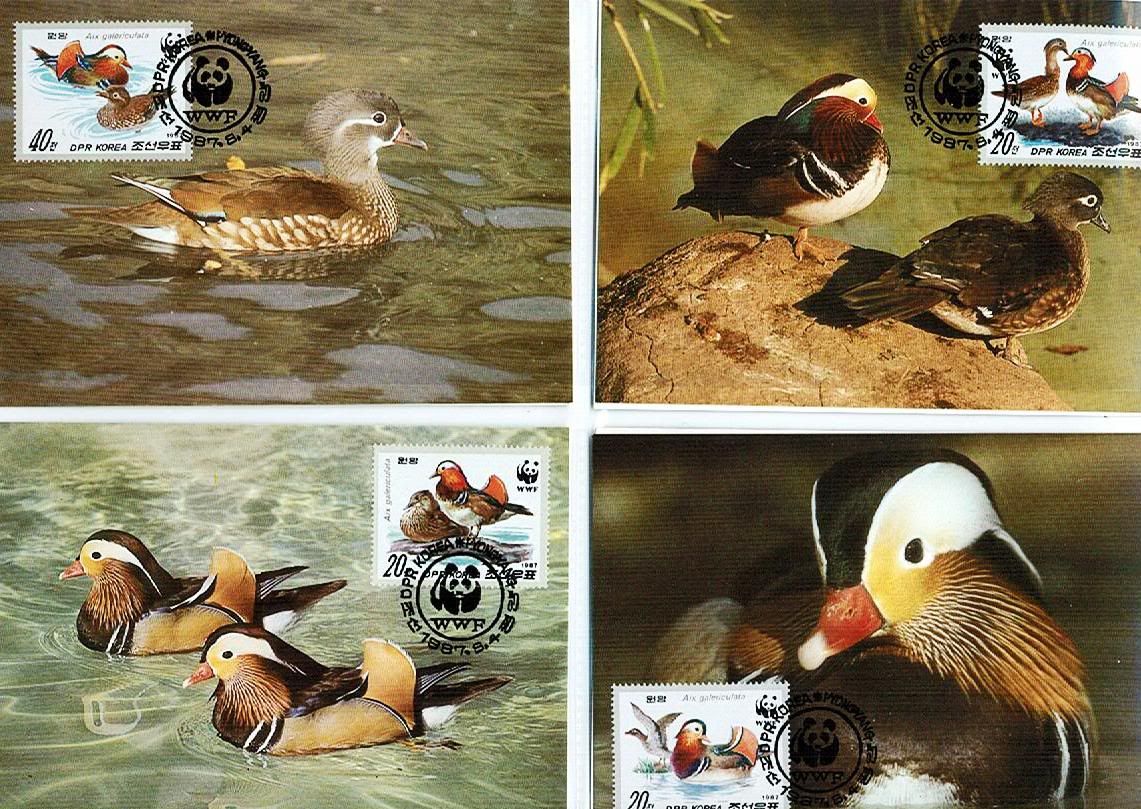 |
| http://dorincard.blogspot.com/search?q=dprk ============ See some DPRK stamps on MAXICARDS from WWF. |

 Posts
All Comments
Posts
All Comments
 >
>


.jpg.jpeg)


